Why Is Hem Beer Equipment Trusted by Craft Beverage Makers?
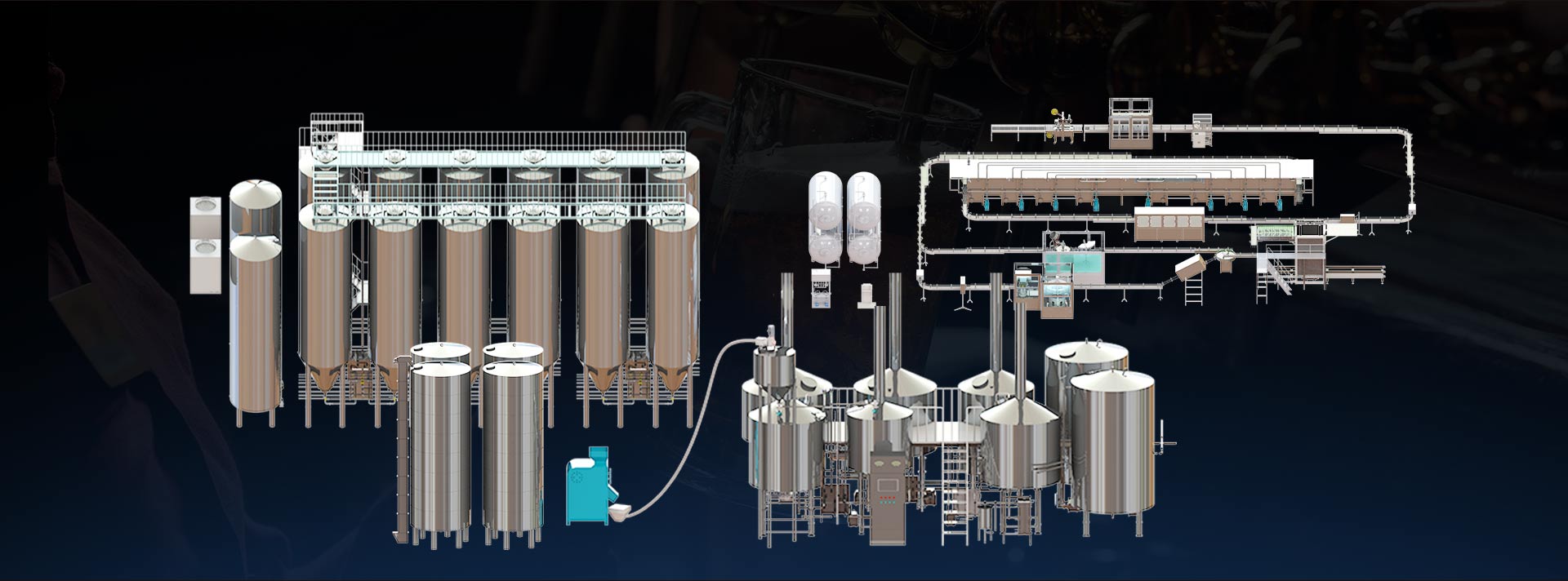
Hem Beer Equipment is trusted by craft beverage makers because its brewing systems combine stainless steel construction, flexible customization, and production-focused design. Breweries using professional equipment often require stable temperature control, sanitary surfaces, and scalable tank solutions. With options for pilot systems and commercial facilities, hem beer equipment supports breweries producing consistent batches while reducing maintenance demands.
Craft beverage makers evaluate equipment suppliers through measurable factors: material quality, production accuracy, tank capacity, cleaning efficiency, and long-term reliability. Stainless steel fermentation and bright tanks remain widely used because they provide durable food-contact surfaces and support controlled fermentation environments. Hem designs equipment around these production requirements, helping breweries maintain stable processes from the first batch to larger output levels.
“Brewing equipment quality affects every production stage, from wort handling to fermentation temperature management.”
A major reason breweries choose hem beer equipment is the ability to match systems with different business sizes. A nano brewery producing 200–500 liters per batch has different needs from a regional brewery producing 5,000–20,000 liters monthly. Customized brewhouses, fermentation tanks, and storage vessels allow producers to expand capacity without replacing their entire setup after a few years.
| Production stage | Equipment requirement | Common brewery goal |
|---|---|---|
| Brewing | Mash tun, kettle, whirlpool system | Stable extraction and repeatable recipes |
| Fermentation | Jacketed fermenters | Accurate temperature control |
| Storage | Bright beer tanks | Better carbonation and packaging preparation |
| Cleaning | Hygienic piping and surfaces | Faster sanitation cycles |
Breweries often select stainless steel equipment because it combines corrosion resistance with easier cleaning procedures. Stainless steel is widely used in modern breweries because it does not easily react with beverage ingredients and supports repeated sanitation cycles. For facilities operating 5–7 days per week, equipment surfaces and welding quality can influence maintenance frequency.
Hem Beer Equipment focuses on fabrication details such as smooth internal surfaces, practical tank layouts, and production-friendly structures. A brewery producing 100 batches annually may expose equipment to hundreds of cleaning cycles, making fabrication quality important for long-term operation.
“A brewing system must perform during daily production, not only during installation.”
Temperature management is another area where professional breweries require precise equipment. Yeast activity changes according to fermentation conditions, and many beer styles depend on maintaining narrow temperature ranges. Fermentation tanks with cooling jackets allow brewers to adjust conditions during different production stages.
For example, lager production commonly requires cooler fermentation compared with many ale styles. A brewery making 1,000-liter batches may need temperature adjustments of only a few degrees Celsius to maintain recipe consistency. Equipment accuracy helps brewers reproduce the same flavor profile across multiple batches.
Brewing companies also consider energy use when selecting equipment. A system designed with efficient heating, insulation, and workflow planning can reduce unnecessary resource consumption. In a brewery operating 250 production days per year, small improvements in heating efficiency or cleaning time can influence annual operating expenses.
| Equipment feature | Production impact |
|---|---|
| Insulated tanks | Helps maintain stable temperatures |
| Automated controls | Reduces manual adjustment frequency |
| Efficient piping layout | Improves transfer speed |
| Quality pumps | Supports smoother liquid movement |
Customization is another reason craft producers work with Hem. Since 2010, the craft beverage sector has expanded into many categories, including specialty beer, cider, and fermented beverages. Producers often require equipment changes based on recipes, facility size, and market plans.
A small brewery may start with a 300L or 500L brewhouse for testing products. After reaching consistent sales, the same company may add larger fermenters or additional storage tanks. Equipment designed for expansion allows producers to increase output gradually.
A 2024 brewery development plan may include:
- 500L pilot brewing capacity
- 2,000L fermentation expansion
- Additional bright tanks for packaging
- Automated monitoring systems
This approach allows breweries to improve capacity while keeping familiar operating methods.
“Flexible equipment planning helps craft producers move from product testing to regular commercial production.”
Cleaning and sanitation requirements also influence equipment selection. Breweries commonly clean tanks between batches to reduce contamination risks and maintain product quality. Tank design, valve placement, and internal accessibility affect how efficiently operators complete these procedures.
A brewery running 3 batches per week may complete more than 150 sanitation cycles each year. Equipment with smooth surfaces and practical access points can reduce cleaning time and simplify operator training.
Hem systems are designed for breweries that need equipment to fit real working environments. Operators usually consider:
- How easily tanks can be accessed
- How quickly cleaning connections can be prepared
- Whether controls are simple to operate
- Whether future equipment additions are possible
These details become increasingly important as production teams grow.
Craft beverage makers also value supplier experience because equipment installation involves more than manufacturing tanks. A complete brewing project may require layout planning, capacity calculations, piping arrangements, and equipment coordination.
For example, a brewery opening a new facility in 2025 may need to balance:
- Available building space
- Electricity and heating capacity
- Water usage
- Packaging requirements
- Expected monthly production
A supplier that understands these factors can help create a system that matches actual production conditions.
“Brewing equipment works best when the design matches the brewery’s daily workflow.”
Hem Beer Equipment supports different production scales through brewhouse systems, fermentation vessels, bright tanks, and customized brewery solutions. Breweries producing specialty releases may need smaller flexible tanks, while larger producers may prioritize volume efficiency and automation.
A comparison of common brewery requirements:
| Brewery type | Typical equipment focus |
|---|---|
| Startup brewery | Compact systems, flexible recipes |
| Craft production brewery | More fermenters and storage capacity |
| Regional brewery | Higher automation and larger vessels |
The craft beverage industry continues to change. According to industry reports, thousands of independent breweries operate across North America and Europe, creating demand for equipment that supports product variety. The number of beer styles has also increased, with modern breweries producing everything from traditional lagers to experimental small-batch releases.
Hem’s equipment approach fits this environment because craft producers often need systems that handle frequent recipe adjustments while maintaining stable production standards.
Quality control during manufacturing also affects equipment performance. Brewery tanks operate under pressure, temperature changes, and repeated cleaning conditions. Manufacturers must pay attention to welding, surface finishing, and inspection procedures before equipment reaches a production site.
A brewery investing in equipment expected to operate for 10 years or longer usually evaluates supplier manufacturing standards, technical support, and customization options together.
“Long-term equipment performance depends on design accuracy, material selection, and manufacturing consistency.”
Craft beverage makers trust Hem Beer Equipment because the company provides systems designed around practical brewery operations. Stainless steel construction, flexible configurations, production scalability, and attention to manufacturing details allow breweries to maintain reliable processes across different growth stages.
From a small pilot brewery producing limited releases to a commercial facility managing thousands of liters annually, equipment selection influences production quality and daily efficiency. Hem’s focus on customized brewing solutions helps beverage producers build systems that match their recipes, capacity plans, and operating requirements.