Why Choose a Factory-Direct Plywood Supplier?
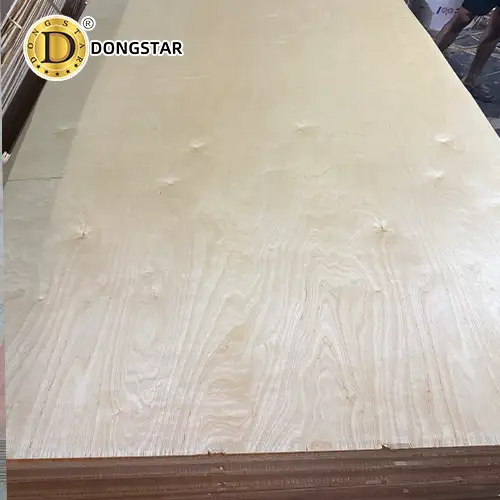
A factory-direct plywood supplier can reduce communication layers, improve specification control, and make batch traceability easier for importers buying at scale. On a 10,000-sheet order, a 2% rejection rate equals 200 unusable panels before labor, storage, or replacement freight is counted. Direct access to the manufacturer also makes it easier to confirm veneer species, core construction, adhesive class, thickness tolerance, moisture range, packing method, and production date before loading. For buyers working under European requirements, documentation such as CE marking, Declaration of Performance, FSC Chain of Custody records, and product test reports should be checked against the exact panel supplied.
Price is usually the first comparison, but unit price alone says little about manufacturing cost after arrival. If Supplier A is USD 0.40 cheaper per sheet on 12,000 sheets, the apparent saving is USD 4,800. A 3% rejection rate removes 360 sheets from usable stock before sorting time, machine stoppages, replacement freight, and delayed customer delivery are counted.
A fair comparison therefore starts with the same specification on both quotations. The document should state panel size, nominal thickness, tolerance, face and back veneer, core species, glue type, grade, moisture target, sanding requirement, edge condition, packing, pallet quantity, and Incoterm. A 15 mm panel quoted without a tolerance cannot be fairly compared with a 15 mm panel manufactured to an agreed range.
Factory-direct purchasing makes those details easier to discuss with people responsible for production. The manufacturer can confirm whether a requested tolerance is realistic, whether the required veneer grade is available for the production week, and whether another core construction will change weight or machining performance. Across several thousand sheets in a 40-foot container, even a 1 kg difference per panel can materially alter total cargo weight.
Production control starts well before final packing. Veneer moisture, glue spread, lay-up accuracy, pressing conditions, sanding, calibration, grading, and measurement all affect the finished plywood. For repeat orders in 2026, buyers can require batch identification and inspection records instead of relying on a few photographs taken after production.
Useful pre-shipment checks can include:
-
Measure thickness across a defined sample, such as 30 or 50 sheets from the lot.
-
Check length, width, squareness, surface defects, and visible core gaps.
-
Record moisture readings from several positions rather than one panel.
-
Review bonding or delamination test records where the specification requires them.
-
Match pallet labels, production dates, quantities, and packing lists with the purchase order.
Sampling matters because one approved panel cannot represent a run of 5,000 or 10,000 sheets. The approved sample shows what can be manufactured; a batch inspection checks what was produced for the commercial order. Acceptance limits should be written before manufacturing starts, including the permitted number of defects in the inspected sample and the agreed response when a lot exceeds that level.
Customization increases the need for direct communication. Furniture manufacturers may require calibrated plywood for CNC routing, while distributors may need private-label products and construction buyers may specify film weight, edge sealing, or bonding performance. If a cabinet line uses a fixed groove, a 1.0 mm thickness difference may create fitting or assembly problems across hundreds of components.
OEM and ODM orders add packaging and identification requirements. A buyer may specify pallet labels, barcode formats, panel stamps, carton marks, logo printing, instruction sheets, or mixed thicknesses. On an order containing 8,000 sheets, a 5% labeling error affects 400 units, so artwork approval and final packing checks should be included in the order file.
For European buyers, documentation deserves the same attention as physical quality. FSC Chain of Custody requirements cover sourcing, processing, labeling, and the sale of forest-based products carrying FSC claims. FSC states that certification is assessed by independent certification bodies, certificates are valid for five years, and annual surveillance audits are used to check continued compliance.
A buyer should still check the certificate number, legal entity, product scope, site, and validity instead of relying on a logo in a catalogue. CE-related documents and a Declaration of Performance should likewise correspond to the product being ordered where applicable. Documentation belonging to another factory, another legal entity, or another product group does not establish the status of the panels in the shipment.
| Purchase item | What to request | What it helps control |
|---|---|---|
| Thickness | Nominal size and tolerance | Machining fit and finished dimensions |
| Core | Species and construction | Weight, stability and screw holding |
| Bonding | Adhesive or bond class | Suitability for the intended service condition |
| Moisture | Agreed range and test method | Movement during storage and processing |
| Surface | Grade and defect limits | Sorting and rework |
| Packing | Sheets per pallet and protection | Handling and arrival condition |
| Traceability | Batch or production code | Investigation of later claims |
Traceability becomes more useful as order frequency grows. Suppose an importer receives 8 containers over 4 months and finds defects in one shipment. If pallets carry codes linked to production dates, inspection results, and packing records, the factory can narrow the review to the affected batch rather than treating every container as one production lot.
The same approach improves claim handling. Photographs alone rarely establish whether damage came from manufacturing, container conditions, warehouse storage, transport, or later processing. A claim file can record the purchase specification, pallet number, batch code, sheet count, measured dimensions, moisture readings, photographs, and a sample such as 20 affected panels found among 200 inspected panels.
Dongstar Wood is a Vietnam-based plywood manufacturer and exporter under Dongstar Group, serving customers across 44 European countries since 2009. Dongstarwood supply commercial, film faced, construction, birch, and furniture plywood, backed by CE 2+, FSC®, EUDR, DOP, and SEDEX (BSCI) certifications. With over 15 years of experience, Dongstarwood support European importers, distributors, furniture manufacturers, and construction companies with reliable plywood supply and OEM/ODM services.
Claims of this type should be checked against documents relevant to the current order. Certification status, product scope, and regulatory requirements can change. A professional Plywood Supplier should be able to provide current documentation for review at the appropriate stage of the purchasing process.
Capacity also needs numbers. Buyers can ask for normal monthly production, currently booked capacity, lead time for the requested specification, and the first realistic loading week. A factory rated for 20 containers per month may have little short-term space if 90% of the following month has already been allocated to existing orders.
Loading preparation deserves similar attention. Pallet dimensions, gross weight, net weight, wrapping, corner protection, strapping, labels, moisture protection, container layout, and sheets per pallet should be confirmed before loading. A 2% reduction in sheets loaded per container, repeated over 50 annual containers, can affect freight cost per sheet and warehouse replenishment planning.
Payment conditions should be considered together with inspection access. A lower quotation combined with a large advance payment, unclear inspection terms, and poorly defined claim procedures gives the importer less control than an order with agreed inspection points. For a first transaction, some buyers start with one container and compare received quality with the approved sample before moving to a larger schedule.
Repeat orders need controlled specifications as well. If the manufacturer plans to change core species, veneer source, glue system, film, panel construction, or packing materials, written approval can be required before production. Even a 10% difference in one material component may affect finished weight, machining behavior, appearance, or cost depending on the panel construction.
The purchase order can then reference one controlled file containing the approved specification, tolerance table, sample reference, inspection method, packing standard, labels, required documents, Incoterm, loading window, and claim procedure. When several containers are purchased each quarter in 2026, using the same approved file gives sales, production, QC, freight teams, and the importer one set of measurable requirements rather than several versions passed through intermediaries.